
How it works
From plant room to dashboard
Most of your building data already exists. It is being produced every few minutes by plant you already own. This is how we get to it.
Every quote you have had started with ripping something out.
A mixed estate accumulates controllers across decades and vendors. The usual proposal is to standardise, which means capital, disruption and a year before anybody sees a number. Meanwhile the data is already there, and has been all along.
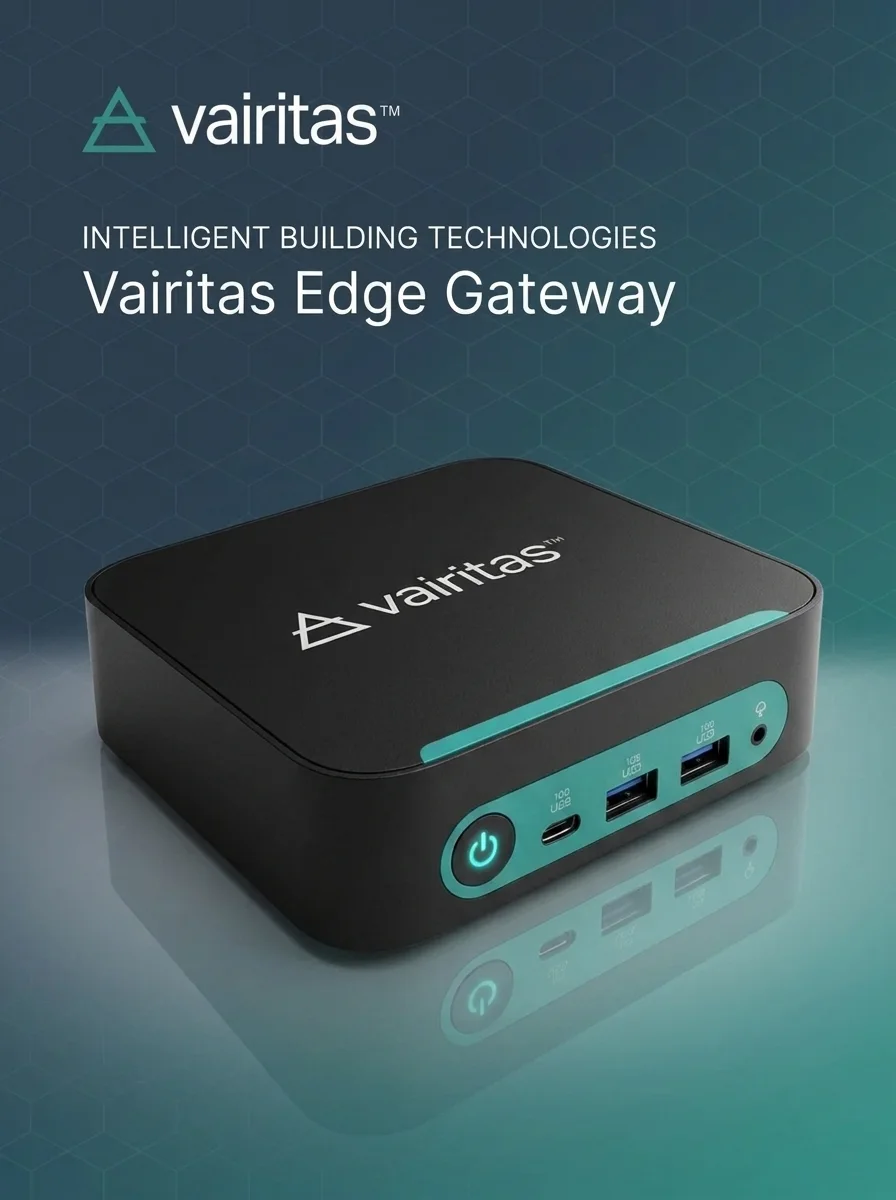
What actually happens
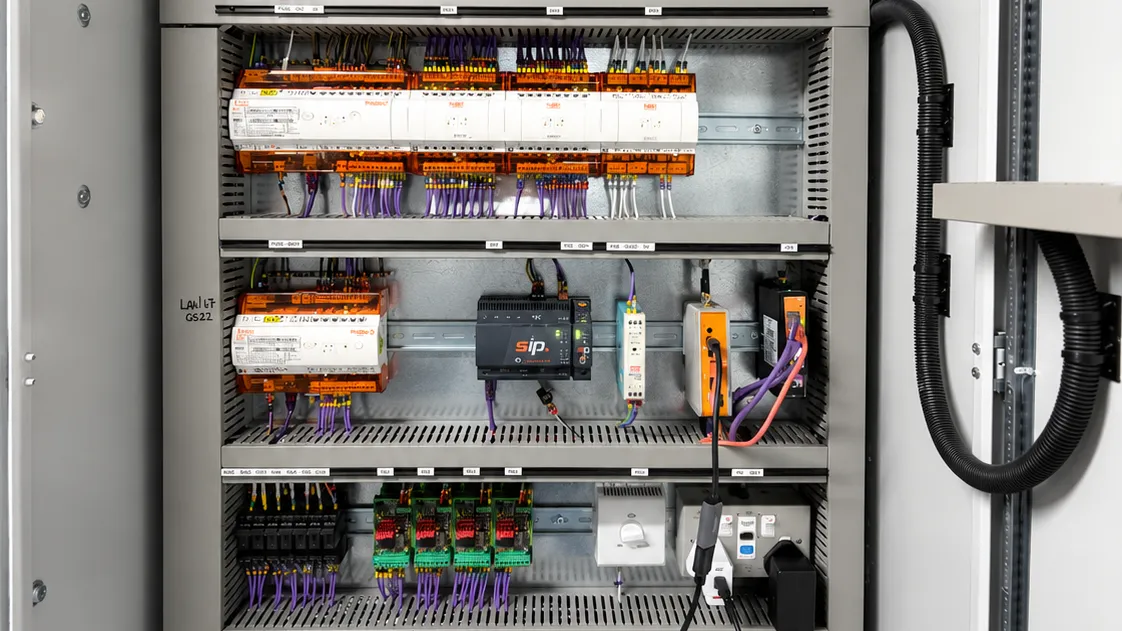
A gateway goes into the plant room
A single gateway joins the site network and is enrolled with one command. It is scoped to its own site, so one box can never act as another. No survey is needed to start, and nothing is removed.
It finds what is there
The box scans every routable subnet, fingerprints what responds, and enumerates what each controller exposes: BACnet objects, Trend nodes including those behind a vCNC gateway, and Niagara stations over oBIX. Nothing is hardcoded per site.
Raw points become named assets
Discovery produces points with names like S3. In the annotation workspace an operator renames, regroups and classifies them into AHU001 Supply Temp, against a device class that carries its operating hours, setpoints and thresholds.
The estate appears
Once points are classed, everything else follows from the same data: the asset register, the load breakdown, the anomaly queue, the compliance position and the maintenance programme.
What this does not do
Vairitas reads your plant and records operating intent. It does not command plant. Schedules and control priorities are saved as intent and shown for review, and actuating a live device is a separate, commissioned step. On a safety-critical estate that is deliberate.
Full detail on each protocol is on the integrations page.
What would it find on your estate?
That is genuinely the interesting question, and the honest answer is that nobody knows until the box is on the network.